Italy in Stone and Light: Facades, Colors, and the Quiet of Old Towns

Antonio
Facades That Do Not Hide Their Past
Old Italian towns are recognizable by how their walls seem to “speak” to those who walk by.
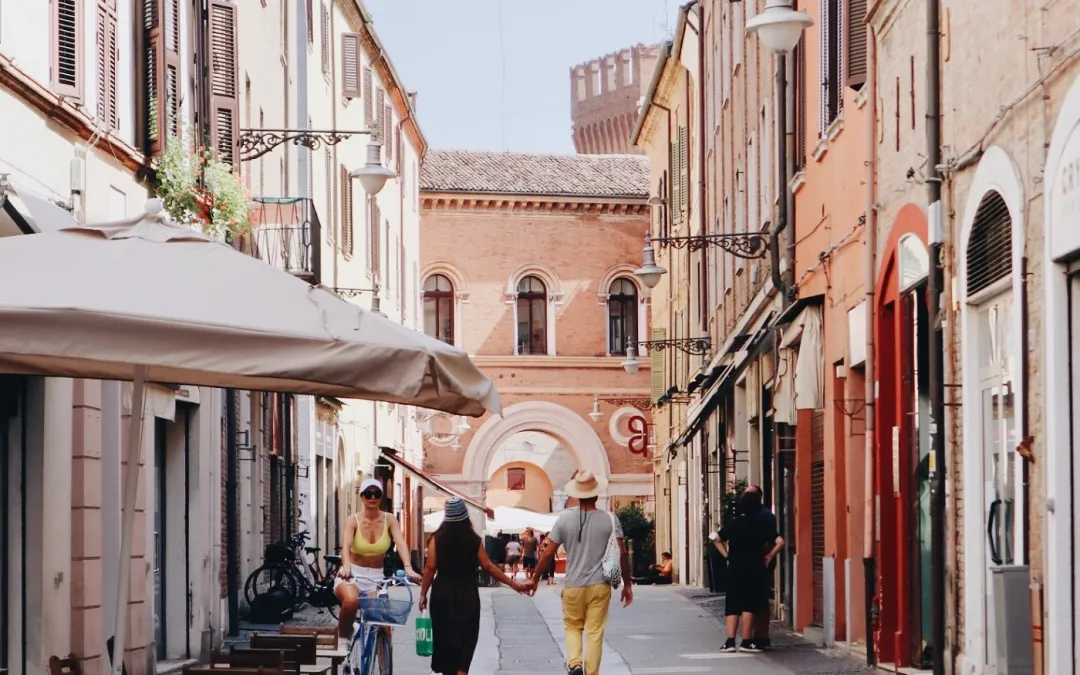
In many small streets you’ll find photos of old Italian facades – surfaces where plaster has fallen away, revealing centuries-old brick, where fragments of old ornaments and traces of vanished signs still remain.
This natural texture makes the architecture feel alive rather than preserved behind glass.
Colors That Define the Atmosphere
The warmth of Italy is deeply connected to the colors of old Italian building facades.
Soft ochres, muted terracotta, sun-faded brick tones, and sandy highlights all combine into a palette shaped not by design but by time itself.
These tones are absorbed into the walls over centuries, giving each town a distinct identity.
Streets Where the Past Walks Beside You
Italy reveals its true charm through slow, quiet wandering.
The Italian streets with historic houses create the atmosphere travelers often seek: narrow passages, stone paving, arched corridors, and soft shadow patterns cast by balconies and window frames.
These streets make you feel that architecture and everyday life are woven tightly together.
Layers Preserved in Small Historic Districts
The true spirit of Italy is found not in the busy centers but in calm, older neighborhoods.
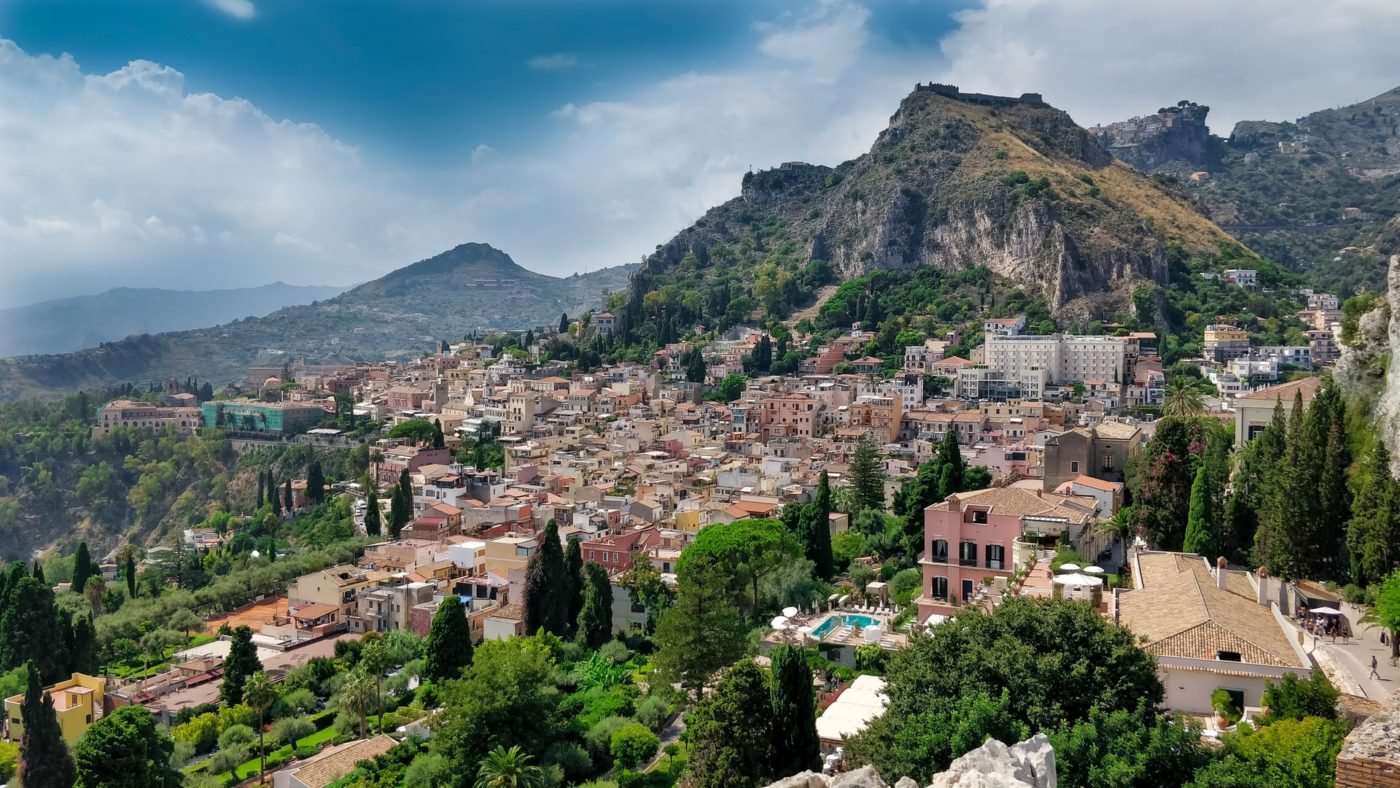
In ancient Italian quarters for walking, you see how buildings follow the slope of the terrain and how alleys form naturally where people once found it convenient.
Here lives the most sincere expression of the unusual architecture of small Italian towns, with its irregular shapes and organic lines.
The full original post is available on the Love Italy Club website