Alba italy tourism wine tasting and a gentle pace of travel

Antonio
Arrival without urgency
Alba does not rush to introduce itself. In this part of Piedmont, travel unfolds quietly, allowing attention to move away from highlights and toward atmosphere. Vineyards, rolling hills, and everyday town life reveal themselves step by step. This calm progression defines alba italy tourism as an experience built on time, balance, and observation.
Many visitors sense the change almost immediately. Movements slow, sounds soften, and previously unnoticed details come into focus. Alba does not ask to be admired – it creates the conditions for understanding to grow naturally.
Landscapes that slow the journey
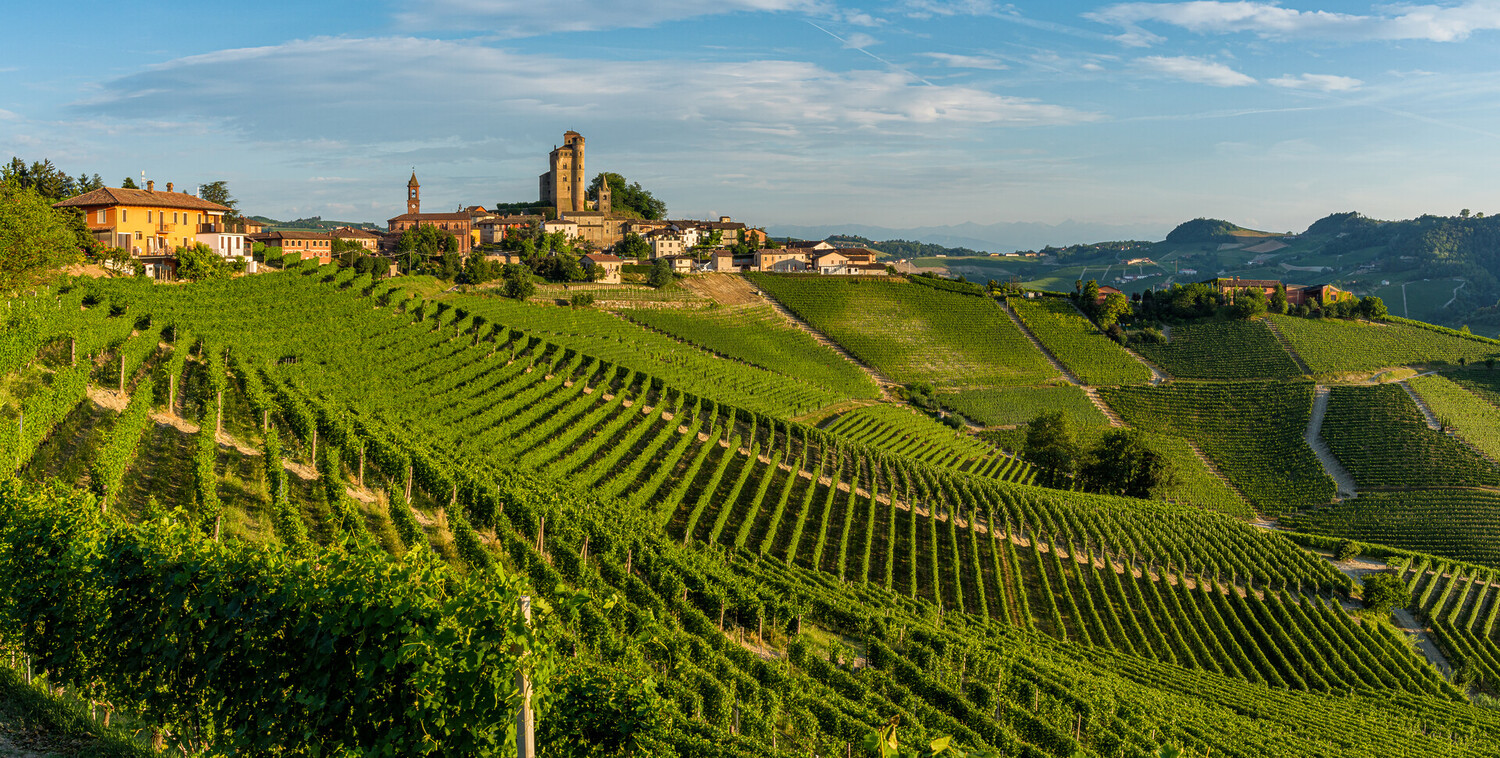
The surroundings of Alba quietly influence how people move through the region. Vineyards follow the shape of the hills, wooded stretches offer moments of stillness, and narrow roads connect villages shaped by terrain rather than design. Travel here feels guided by the land itself.
Even short trips reveal contrast – a wide view over the Langhe, a small chapel near the road, a vineyard settled along a slope. These transitions show how the landscape supports alba italy tourism through its steady, unforced rhythm.
Life shaped by continuity
Daily life in Alba is defined by repetition rather than display. Markets, cafés, and local workshops reflect routines developed over generations, closely tied to the surrounding environment. Traditions remain present because they continue to function in everyday life.
For travelers, this creates a sense of quiet inclusion. Time spent in town feels shared, offering insight into how people and place continue to shape one another.
Wine as lived knowledge
Winemaking in Alba reflects experience accumulated over time. Families working with Nebbiolo, Barbera, and Dolcetto understand their vineyards through close observation – how fog settles in the valleys, how soil reacts after rain, and how sunlight changes across the seasons.
Because of this, wine tasting alba italy feels thoughtful and grounded. Tastings focus on explanation and context, revealing how choices made in the vineyard shape each wine long before it reaches the glass.
Tasting as interpretation
Wine tastings usually take place in modest settings where conversation leads the experience. Producers speak about altitude, exposure, and seasonal variation, allowing visitors to connect flavor directly to the land.
Through this approach, wine tasting alba italy becomes a way of interpreting the region, where taste reflects geography, tradition, and time.
Wine routes across the Langhe
Looking beyond individual estates adds depth to the experience. Alba wine tours connect viewpoints, vineyards, and different winemaking approaches into a broader regional narrative.
Through these routes, alba wine tours show how a shared terroir allows for varied expressions while maintaining a strong regional identity. Visitors leave with a clearer understanding of how landscape and practice remain closely linked.
The full version of this article is available with more detail and context on Love Italy Club